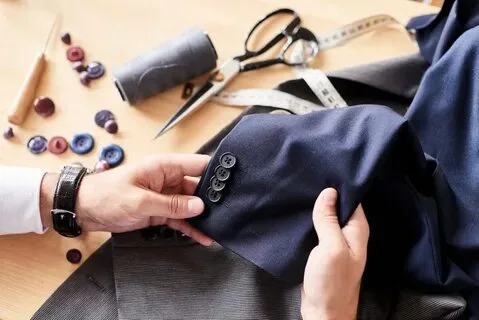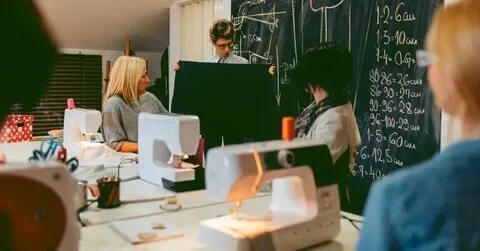
If you are looking for a Sewing Class in Escondido CA, choose one that matches your experience level, learning goals, preferred class format, and the type of projects you want to complete. Beginners usually benefit from structured instruction on sewing machine setup, fabric handling, basic stitches, seams, hemming, and simple projects before moving into garment construction, alterations, or tailoring.
The right class should provide clear demonstrations, hands-on practice, useful feedback, and a pace that builds confidence without feeling rushed. This guide explains what to expect, how to compare class options, what skills you can learn, and which questions to ask before enrolling.
This guide explains how to choose the right Sewing Class in Escondido, CA by comparing skill levels, class formats, instructor experience, essential sewing techniques, required supplies, and learning goals.
Who Should Take Sewing Lessons in Escondido?
A Sewing Class in Escondido, CA, can suit complete beginners, hobbyists, adults returning to sewing, students interested in garment making, and people who want practical alteration or tailoring skills.
A well-structured course can help learners develop:
- Sewing machine confidence
- Hand-sewing techniques
- Fabric knowledge
- Measuring and cutting accuracy
- Seam construction
- Pattern reading
- Garment assembly
- Basic repairs and alterations
Local instruction also allows students to ask questions in real time and correct mistakes before they become habits.
What Do You Learn in a Beginner Sewing Class?
A beginner Sewing Class in Escondido, CA should start with core skills rather than complicated garments. Common lessons include threading a machine, winding and loading a bobbin, selecting needles, adjusting stitch length, practicing straight stitches, backstitching, pressing seams, pinning fabric, using seam allowances, and finishing raw edges.
Students may also learn to:
- Take basic body measurements
- Read simple pattern symbols
- Identify grainline and fabric direction
- Cut fabric accurately
- Sew corners and curves
- Create hems
- Install simple closures
- Use interfacing correctly
Projects such as tote bags, pillow covers, aprons, or basic garments let students practice multiple techniques without unnecessary complexity.
How to Choose the Right Sewing Class for Your Skill Level
When comparing a Sewing Class in Escondido, CA, look for a course description that clearly states the expected skill level and learning outcomes.
Beginner Classes
Beginner sewing lessons should focus on sewing terminology, machine operation, safety, fabric preparation, seams, hems, and easy projects.
Intermediate Classes
Intermediate students may be ready for pattern adjustments, zipper installation, buttonholes, darts, facings, sleeves, pockets, garment fitting, and more detailed construction methods.
Advanced Classes
Advanced classes may cover tailoring techniques, structured garments, professional alterations, complex patterns, advanced fitting, lining, finishing methods, and custom clothing construction.
Choosing the correct level reduces frustration and supports steady progress.
What to Look for in a Sewing Instructor
The instructor can strongly affect how quickly a student develops practical skills. Good instruction combines technical knowledge with clear demonstrations and individual feedback.
Look for:
- Garment construction experience
- Step-by-step explanations
- Hands-on demonstrations
- Patience with beginner questions
- Attention to sewing safety
- Constructive feedback
- A structured learning sequence
Effective teaching should help you understand why a technique works and how to repeat it independently.
Group Sewing Classes vs. Private Lessons
Both formats can work well, but the better choice depends on your learning style.
| Factor | Group Sewing Classes | Private Sewing Lessons |
| Learning pace | Shared | Personalized |
| Instructor attention | Divided | One-on-one |
| Environment | Social | Focused |
| Curriculum | Usually structured | Can be customized |
| Best for | General learning | Targeted goals |
A group Sewing Class in Escondido, CA may suit learners who enjoy a collaborative environment, while private instruction can help students focus on fitting, alterations, garment construction, or a specific project.
What Should You Bring to Your First Sewing Class?
Requirements vary, so check the supply list before buying equipment. Some classes provide machines and tools; others expect students to bring their own.
Common supplies include:
- Sewing machine
- Fabric scissors
- Thread and needles
- Measuring tape
- Pins or fabric clips
- Seam ripper
- Fabric marker
- Ruler and bobbins
- Practice fabric
- Notebook
Avoid buying large amounts of fabric or specialized tools until you understand the course requirements.
Benefits of Learning Sewing Locally in Escondido
A local Sewing Class in Escondido, CA can offer advantages that online videos alone may not provide. Students can watch techniques in person, receive immediate corrections, and ask specific questions about their machine, fabric, or project.
At this stage, learning with an experienced local provider such as Ben’s Tailor Shop can connect classroom instruction with practical sewing, garment construction, and tailoring techniques.
In-person learning can improve machine control, troubleshooting, measuring accuracy, seam consistency, pattern understanding, and confidence.
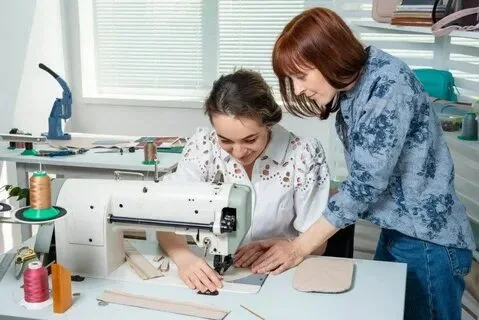
Essential Sewing Skills You Can Build
A good Sewing Class in Escondido, CA should help students progress from basic machine operation toward practical, repeatable skills.
Depending on the level, students may develop experience with straight stitching, zigzag stitching, seam finishing, pressing, topstitching, edge stitching, gathering, darts, pleats, elastic casings, bias binding, zippers, buttons, buttonholes, hems, pockets, collars, sleeves, waistbands, linings, pattern alterations, fitting adjustments, mending, clothing repair, and garment construction.
At Ben’s Tailor Shop, learners can focus on developing useful sewing knowledge step by step rather than rushing into advanced techniques before mastering the fundamentals.
Common Beginner Mistakes to Avoid
Beginners often improve faster when they understand common errors:
- Sewing without testing stitch settings
- Skipping accurate measurements
- Cutting without checking grain direction
- Using the wrong needle
- Pulling fabric through the machine
- Ignoring seam allowance
- Skipping pressing between steps
- Choosing projects that are too advanced
- Buying too many tools too soon
Practice matters more than speed. Repeating basic techniques builds control and independence.
Questions to Ask Before Enrolling
Before choosing a Sewing Class in Escondido, CA, ask:
- Is the class suitable for complete beginners?
- Are sewing machines provided?
- What supplies should I bring?
- How many students are in the class?
- What projects will I complete?
- Will I learn pattern reading and fabric cutting?
- Is individual feedback included?
- Are private lessons available?
- Can I progress to advanced classes?
These questions help you compare courses based on learning value, not just location.
Start Learning With the Right Sewing Class
Choosing the right Sewing Class in Escondido, CA comes down to your skill level, goals, preferred teaching format, and opportunities for hands-on practice. Beginners should prioritize machine fundamentals, fabric handling, measuring, cutting, seams, and simple projects before moving into advanced garment construction or tailoring.
A strong class should give you practical skills you can repeat independently, not just help you finish one project. For learners in Escondido who want structured instruction and practical sewing experience, Ben’s Tailor Shop can be a useful place to begin building confidence, technique, and long-term sewing ability.
FAQs
1. What is the best sewing class for a complete beginner?
The best beginner class starts with machine setup, threading, bobbins, fabric handling, basic stitches, seams, measuring, cutting, and a simple project. It should not assume previous experience.
2. Do I need my own sewing machine?
Not always. Some instructors provide machines, while others require students to bring one. Confirm the equipment policy before your first lesson.
3. What should I bring to my first sewing lesson?
Typical supplies include fabric scissors, thread, pins, measuring tape, a seam ripper, needles, practice fabric, and a notebook. Follow the instructor’s specific supply list.
4. Can adults learn to sew with no experience?
Yes. Adults can learn sewing from the beginning. Structured instruction, hands-on practice, and repetition are more important than previous experience.
5. How many sewing lessons does a beginner need?
There is no fixed number. Progress depends on lesson frequency, practice time, project difficulty, and individual learning pace.
6. Are private sewing lessons better than group classes?
Neither is universally better. Private lessons offer personalized attention, while group classes provide social learning and a shared curriculum.
7. What sewing projects are best for beginners?
Tote bags, pillow covers, drawstring bags, aprons, simple skirts, and basic home-decor projects reinforce measuring, cutting, seams, hems, and machine control.